Type 1, explained properly.
Nobody takes it all in at diagnosis. Most of us end up with the rules and never the reasons. Here is how it actually works, for whenever you want to know.
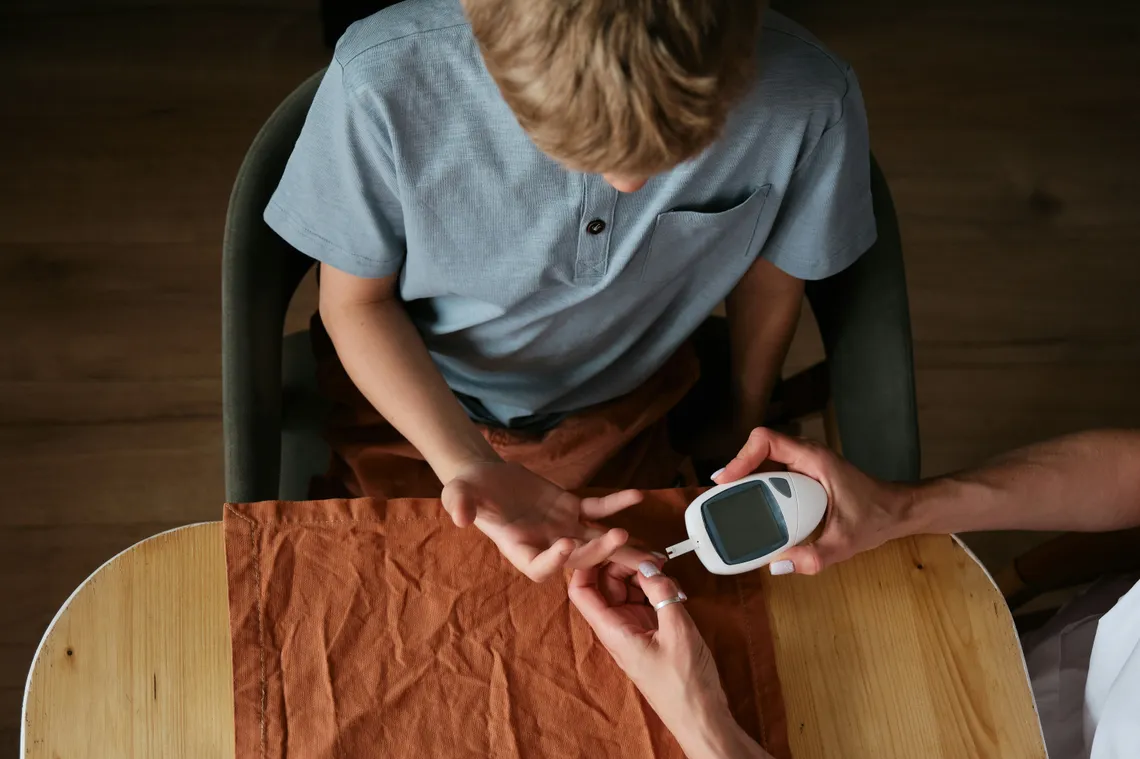
Everyone with type 1 hits this. It is not failure.
Burnout is normal, and it does not care how well you have been doing. It happens to people who track every number and to people who have not looked at one in months. Type 1 asks something of you every few hours, forever, with no days off. Reaching a point where you stop checking, start guessing, or just want to not think about it is what happens to people carrying something relentless. It is exhaustion, not laziness, and it is far more common than anyone admits.
Getting back to it does not mean doing everything at once. Pick one thing, and let the other fifty wait until it stops feeling like this.
- Take your basal (background) insulin, as prescribed.
- Check your glucose once.
- Tell one person you trust.
- Put your supplies somewhere you will see them.
- Reply to the appointment you have been ignoring.
Burnout is common and it is worth telling your diabetes team about, they have heard it before. If you have ketones, cannot keep fluids down, or feel very unwell, that part cannot wait: contact your team or NHS 111, and call 999 if you are drowsy, confused or breathing fast.
A card that explains your type 1 for you
For a teacher, a trip leader, a new manager or a friend's parents. Fill in your details and it builds itself: how you go when you're low, what helps, where your kit is, who to call. Print it, save it as a PDF, or keep it on your phone.
Make my card →Latest
All news and updates →Plain updates on type 1 in the UK: research, technology, medication and supplies, and NHS access.